
It’s perhaps the most common doubt for anyone about to start: is SSI or PADI better? The short, honest answer is that it matters far less than it seems. Let’s see why — and what’s really worth focusing on.

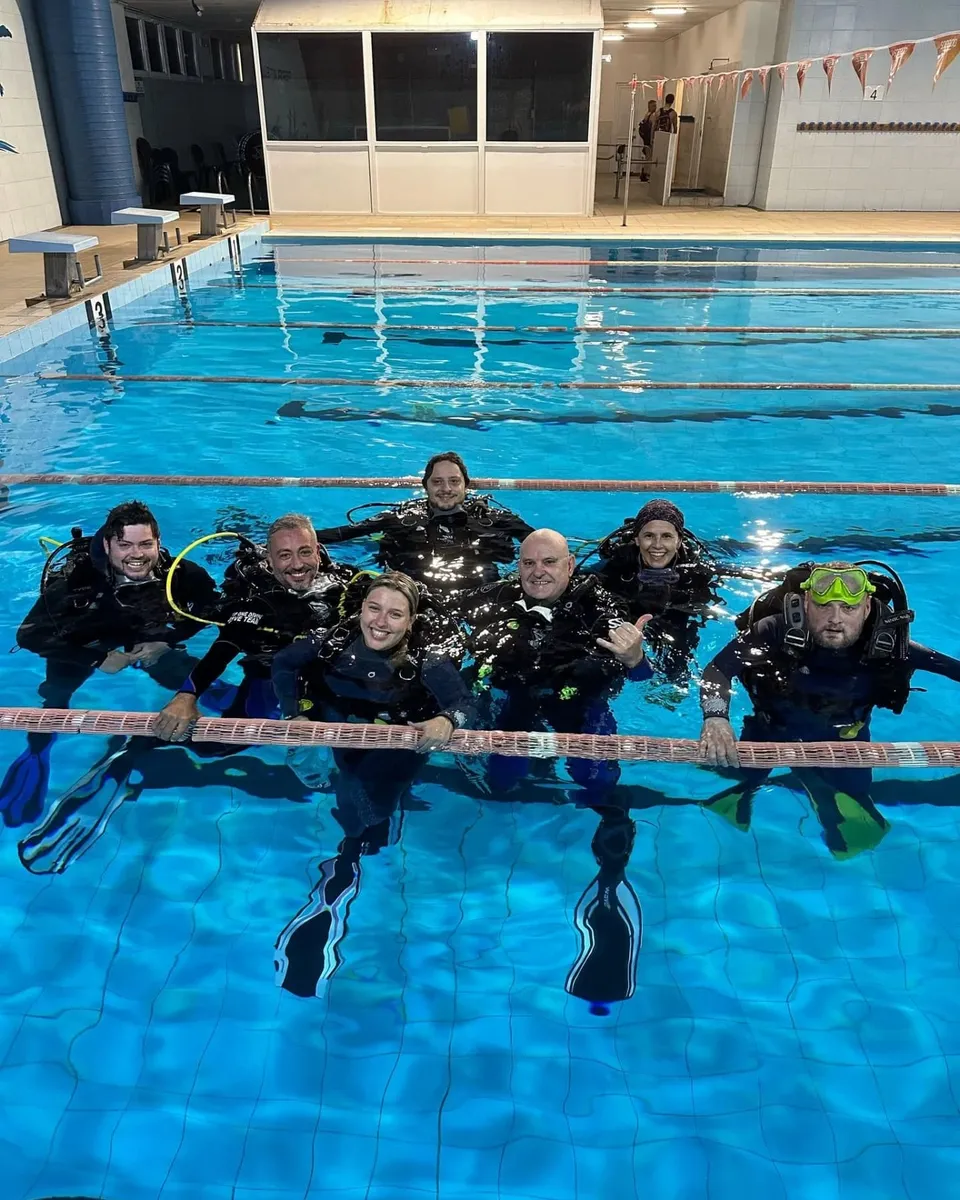
Updated: August 2026
SSI and PADI are the two best-known agencies, but not the only ones: there are also CMAS, SDI, RAID, NAUI and others. The important thing to know is that the main recognised agencies follow the same international safety and training standards (WRSTC and ISO). In practice, the skills you acquire, the procedures and the levels of safety are far more similar than they are different.
In other words: an Open Water certification issued by any of these agencies is recognised and valid all over the world, in exactly the same way. There’s no “first-class licence” and “second-class licence”.
A common fear is being “tied” to a brand. That’s not the case: the certifications of the main agencies are mutually recognised and interchangeable for ongoing training. You can earn your Open Water with one agency and carry on with the advanced courses of another, without redoing what you’ve already learned. Choosing your first course closes no doors for the future.
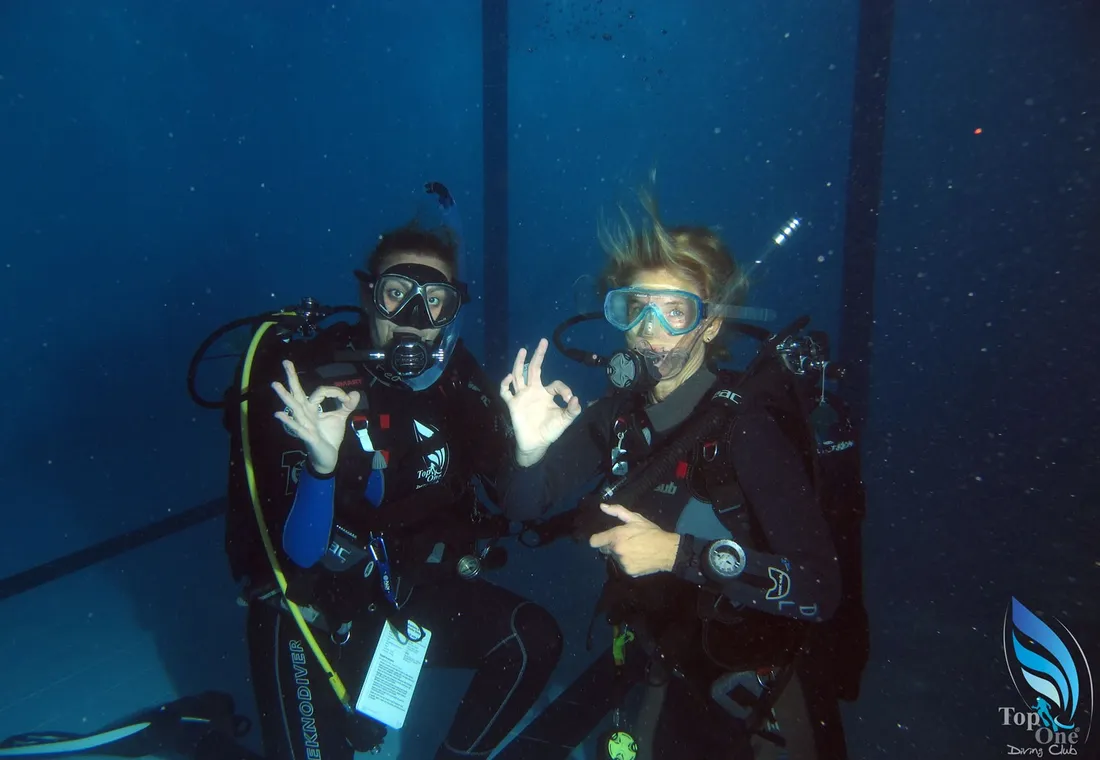
Differences do exist, but they’re matters of detail: the way the learning materials are organised, the app, the structure of the courses, some nuances in the names of the specialties. Small things that rarely change the substance of your training.
The factor that really makes the difference isn’t the logo on the certification, but the school and the instructor: how much attention you get, how closely you’re looked after in the water, how small the groups are, how transparent and serious the organisation is. That’s where the quality — and the safety — of your experience is decided.
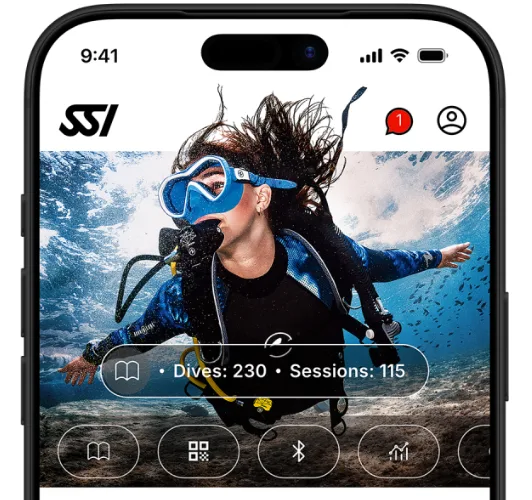
Our agency is SSI: we chose it because its approach is designed around the diver. The learning materials are digital and always up to date, and you keep them for life through the free MySSI app — online and offline, in dozens of languages — together with your certification and a digital dive logbook.
The theory is flexible: you can study online, at your own pace, and dedicate your time with the instructor to the practical side. SSI is recognised internationally and works together with DAN Europe for safety and insurance. The cost of the certification is similar across the various agencies: what you pay for isn’t the logo, but the quality of the school and of the course.
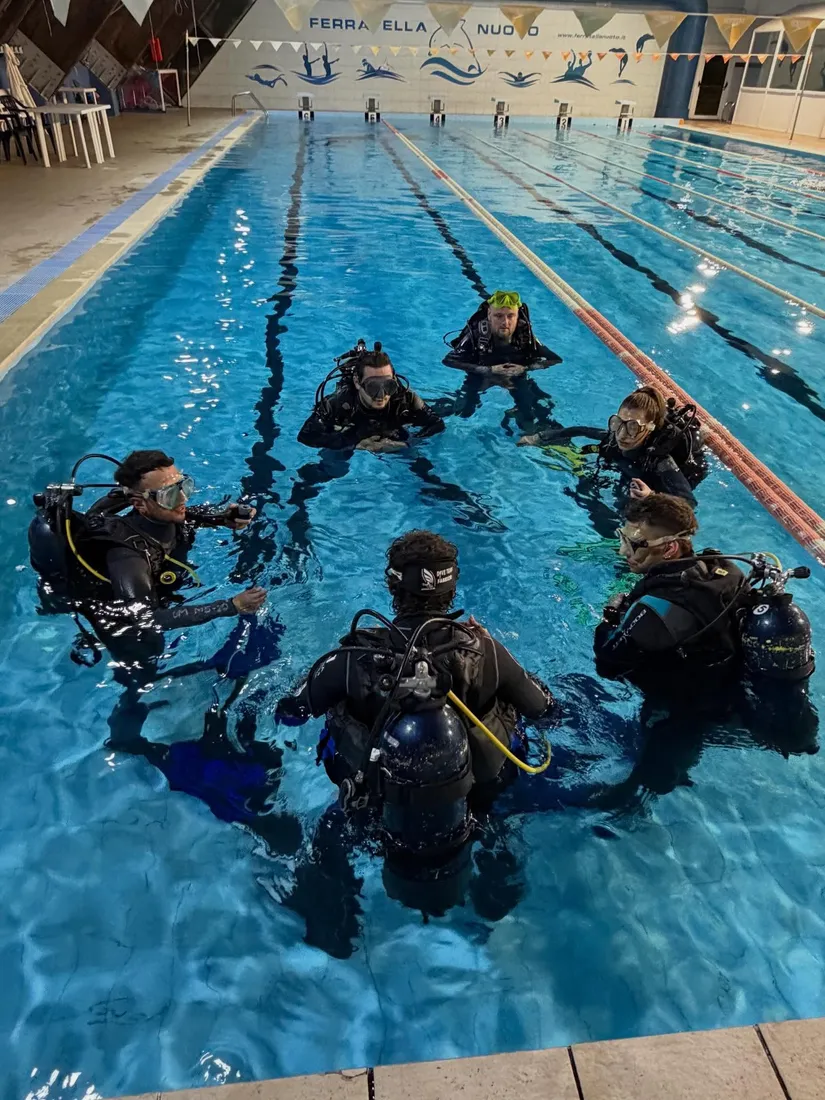
The first mistake is to choose based on the lowest price. When you see a course that costs much less than another — sometimes half — the right question isn’t “why does that one cost more?”, but “why does this one cost so little? what’s behind it?”. Often that bait price doesn’t include essential items: the sea dives, the equipment rental, the certification and insurance costs. Extras that, in the end, bring the real total back to similar or higher levels.
But price isn’t everything. For the same certification, ask yourself what they really offer you: how small the groups are, how much attention you get in the water, how experienced the instructors are, how transparent the organisation is. A course is an investment in your safety and your enjoyment: as with many things, paying little often means getting little.
The practical rule: look at what’s included, ask for every item to be explained, and choose those who are clear from the very start. If a school is transparent, helpful and puts you at ease right from the first contact, you’re on the right track — whatever the agency.
Yes. SSI and PADI follow the same international standards (WRSTC, ISO) and their certifications are equivalent and recognised all over the world.
Absolutely. The certifications are interchangeable for ongoing training: you can start with one agency and carry on with another without repeating what you’ve already learned.
There’s no “best” agency in absolute terms: the main ones are equivalent. What makes the difference is the school — instructors, safety, small groups, transparency.
No, the certification doesn’t expire. However, if you’ve been away from diving for a long time, a refresher is recommended before getting back in the water, to safely fine-tune the procedures again.
See the Scuba Skills Update course